
How To Reduce Dwell Time In Trucking And Shipping

“The world can only be grasped by action, not by contemplation,” as philosopher J. Bronowski once said.
In logistics, that couldn’t be more true. Containers don’t move by wishful thinking, and efficiency doesn’t come from stillness. Every hour of dwell time represents the gap between knowing what’s wrong and taking action.
It’s in this inaction that dwell time reveals its true cost – far beyond delayed deliveries or wasted staff time. Fortunately, there are several actionable strategies to cut it down.
What Is Dwell Time In Logistics?
Dwell time in logistics is the duration that freight in transit remains idle at specific locations throughout the transportation network—from the moment goods arrive at a facility until they depart for the next leg of the journey. It’s a key indicator of overall supply chain efficiency.
Some amount of inactivity is unavoidable. However, excessive dwell time caused by bureaucracy, weather, demand spikes, inspections, or other delays can significantly harm reliability and profitability.
Managing dwell time effectively is essential for streamlined operations.
Dwell Time Meaning In Shipping
In maritime and intermodal logistics, dwell time refers to how long a container sits at a terminal, port, or logistics hub from unloading until exit.
In international shipping, container dwell time can range from a few days to over a week. The United States averages 8.6 days, while China averages 5.2 days.
What Is Dwell Time In Trucking?
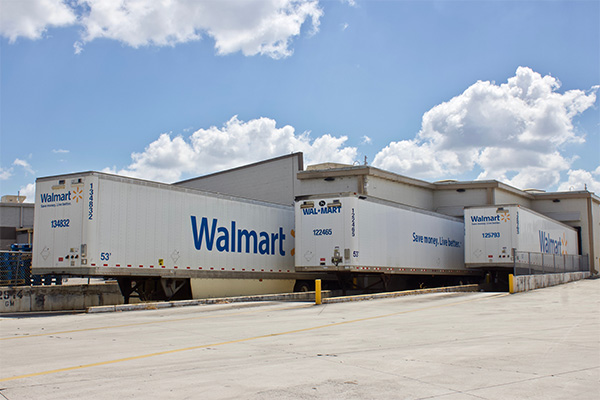
In ground transport, dwell time refers to how long a truck waits at a shipper’s or receiver’s facility to load or unload. For FTL and LTL carriers, this idle time counts toward Hours of Service (HOS), reducing actual driving time.
Dwell Time vs Detention Time
Dwell time is total on-site time; detention is time exceeding the contractual free window (usually two hours), often billed as extra fees.
How To Reduce Dwell Time – Strategies For Success
Reducing costly idle time requires coordinated effort across the supply chain. Here are key strategies to improve performance.
1. Efficient Appointment Scheduling
Appointment systems help optimize shipment flow across facilities, preventing spikes during peak hours. Scheduling based on historical data and predictive analytics ensures smoother operations and minimized congestion.
2. Automate Yard Management, Cargo Sensing & Detention Billing

Yard Management Systems (YMS) track freight movement and reduce search time. Trailer tracking automates yard checks and virtual inventories.
Pairing these tools with smart cargo sensors and AI-powered cameras gives precise timestamps for load/unload activity.
This generates a defensible timeline of each detention event, including:
- actual arrival
- load start time
- load completion time
- departure
With these milestones captured automatically, detention billing becomes accurate, automated, and harder to dispute. The result: less idle time, fewer bottlenecks, and faster trailer flow.
3. Accelerate Loading and Unloading With Drop-and-Hook
Drop-and-hook allows drivers to immediately swap trailers instead of waiting for live loading, drastically reducing dwell time. For shippers who can support it, the efficiency gains outweigh the investment.
4. Leverage Real-Time Asset Tracking
Real-time asset tracking provides continuous visibility across the network, enabling proactive intervention.
Predict Delays Before They Become Dwell Time
Live tracking helps teams adjust assignments and prevent backups.
Reduce Empty Runs & Wasted Driver Hours
Knowing which trailers are idle or ready for pickup helps dispatchers assign assets immediately.
Keep Facilities Flowing During High-Volume Periods
Real-time updates help yard teams stage equipment faster and prevent bottlenecks during peak activity.
Real-time visibility adds predictability and control where delays typically hide.
5. Optimize Facility Layout & Internal Processes
Efficient load sequencing and staging streamline dock operations. Optimized layouts—clear aisleways, separated inbound/outbound flows—reduce congestion and speed up turnaround.
Terminal enhancements such as efficient stacking, off-dock storage, and dry ports further reduce bottlenecks.
The Real Impact Of Dwell Time
Long dwell times lead to significant financial losses. Detention alone accounts for $1.1 to $1.3 billion in lost earnings annually in the U.S.—or up to $1,534 per driver.
A 15-minute increase in dwell time correlates with a 6.2% rise in crash risk. Smarter dwell time practices improve safety, reduce delays, and protect budgets.
The Path Toward More Efficient Operations
SkyBitz makes this shift possible. The SmartTrailer™ ecosystem provides real-time visibility across every trailer and container in your network.
You gain instant insight into asset use, idle time, and operational flow.
By automating yard checks, detecting loading activity, and precisely capturing detention events, SkyBitz turns hidden delays into measurable efficiency gains.
Whether in trucking, leasing, or intermodal, SkyBitz helps you convert dwell time into drive time. Ready to get started? Contact us today.